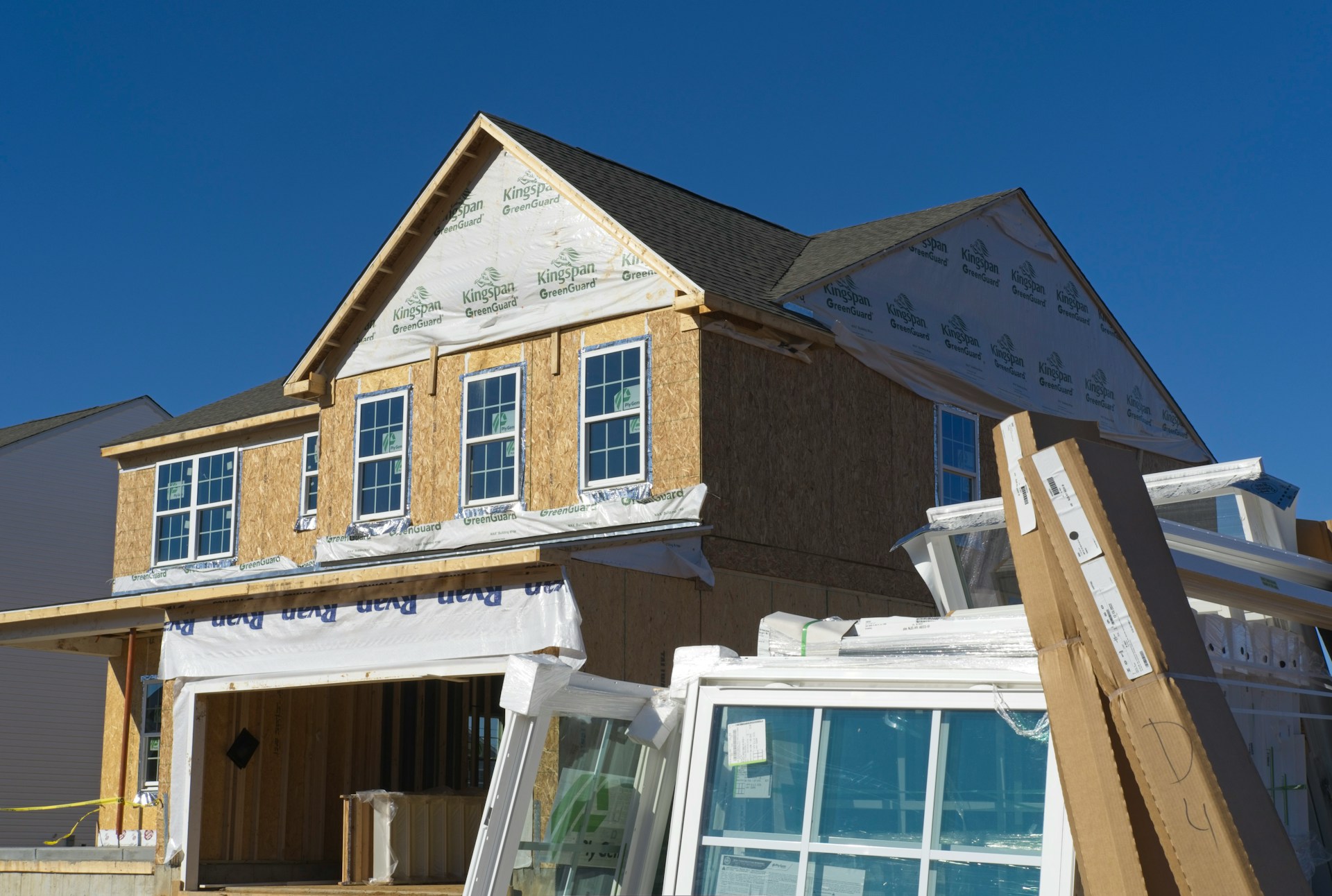
Building a spec home can be a rewarding way to grow your real estate portfolio, but it requires careful planning and smart financial decisions. If you want to succeed, you need a clear strategy from the start. Many investors jump in without a solid plan, which often leads to delays or losses. However, by understanding financing options and basic project management, you can reduce risks and increase profits. In fact, mastering spec home financing strategies early can set the tone for the entire project and help you stay ahead of unexpected challenges.
Understanding the Basics of Spec Home Investments
A spec home is built without a specific buyer in mind, which means you take on more risk than with a custom home. However, it also gives you the freedom to design a property that appeals to a broad market. Because of this, you need to research your target buyers and local trends before you begin construction. For example, knowing what features sell quickly in your area can help you make better design choices.
At the same time, you must carefully evaluate the market. If the market is slow, you might hold the property longer than expected. On the other hand, in a strong market, you could sell quickly and generate a solid return. Therefore, understanding timing, pricing, and demand is key to making smart decisions from the beginning.
Choosing the Right Financing Option
Financing plays a critical role in your project’s success. Most builders use construction loans, which provide funds in stages as the project progresses. These loans typically have higher interest rates, so you must plan your budget carefully. Additionally, lenders often require a detailed plan, including timelines and cost estimates, before approving your loan.
Alternatively, some investors use private lenders or partnerships. These options can offer more flexibility, especially if you want to move quickly. However, they may come with higher costs or shared profits. Therefore, you should compare all options and choose the one that aligns with your goals and risk tolerance.
Creating a Realistic Budget and Timeline
A detailed budget helps you avoid surprises during construction. Start by listing all costs, including land, permits, labor, materials, and marketing. Then, add a contingency fund of at least 10 percent to cover unexpected expenses. This step is crucial because construction projects often face delays or price changes.
In addition, you should create a clear timeline. Break the project into phases, such as site preparation, framing, and finishing. This approach helps you track progress and stay organized. As a result, you can identify delays early and take action before they affect your overall plan.
Managing Contractors and Construction Efficiently
Your contractors can make or break your project, so choosing the right team is essential. Always check references and past work before hiring. Moreover, clear communication helps prevent misunderstandings and keeps everyone aligned with your goals.
During construction, regular site visits are important. They allow you to monitor progress and ensure quality work. If issues arise, you can address them quickly instead of letting them grow into bigger problems. In the middle of this process, focusing on new construction project management ensures that every step runs smoothly and stays on schedule.
Controlling Costs Without Sacrificing Quality
Cost control is vital, but cutting corners can hurt your final sale. Instead, focus on smart spending. For example, choose durable materials that look appealing but remain affordable. Buyers often notice finishes, so investing in kitchens and bathrooms can boost your home’s value.
At the same time, avoid overbuilding for your market. Adding luxury features in a mid-range neighborhood may not increase your selling price. Therefore, balance quality and cost based on what buyers in your area expect. This strategy helps you maximize your return without unnecessary expenses.
Marketing Your Spec Home Effectively
Once construction nears completion, you should start marketing your property. Early marketing creates interest and may even lead to a quicker sale. Professional photos, virtual tours, and online listings can attract more buyers.
In addition, staging the home can make a big difference. A well-staged home helps buyers visualize living in the space. As a result, they may feel more confident making an offer. You should also work with a real estate agent who understands your local market, since their expertise can help you price and promote the home effectively.
Managing Risks and Preparing for Delays
Every construction project comes with risks, so planning is essential. Weather delays, labor shortages, and material price increases can affect your timeline and budget. However, you can reduce these risks by building strong relationships with suppliers and contractors.
Moreover, having a backup plan is always a good idea. For instance, if your home does not sell quickly, you might consider renting it temporarily. This option can help cover costs while you wait for the right buyer. Therefore, staying flexible allows you to handle challenges without losing control of your investment.
Maximizing Profit When Selling
Selling your spec home at the right price is key to achieving your financial goals. Start by analyzing comparable homes in your area. This step helps you set a competitive price that attracts buyers while still delivering profit.
In addition, timing matters. Listing your home during peak buying seasons can increase demand and shorten selling time. You should also remain open to negotiations, as small concessions can help close deals faster. Ultimately, your goal is to balance speed and profit to achieve the best outcome.
Building Long-Term Success in Spec Home Investing
Once you complete your first project, you can use your experience to improve future builds. Track what worked well and identify areas for improvement. Over time, this process helps you refine your strategy and increase efficiency.
Furthermore, building strong relationships with lenders, contractors, and agents can make future projects easier. These connections often lead to better deals and smoother processes. In the long run, consistent learning and improvement will help you grow your business and achieve greater success in real estate investing. As you move forward, focusing on profitable home-building tips will guide your decisions and help you scale your projects with confidence.