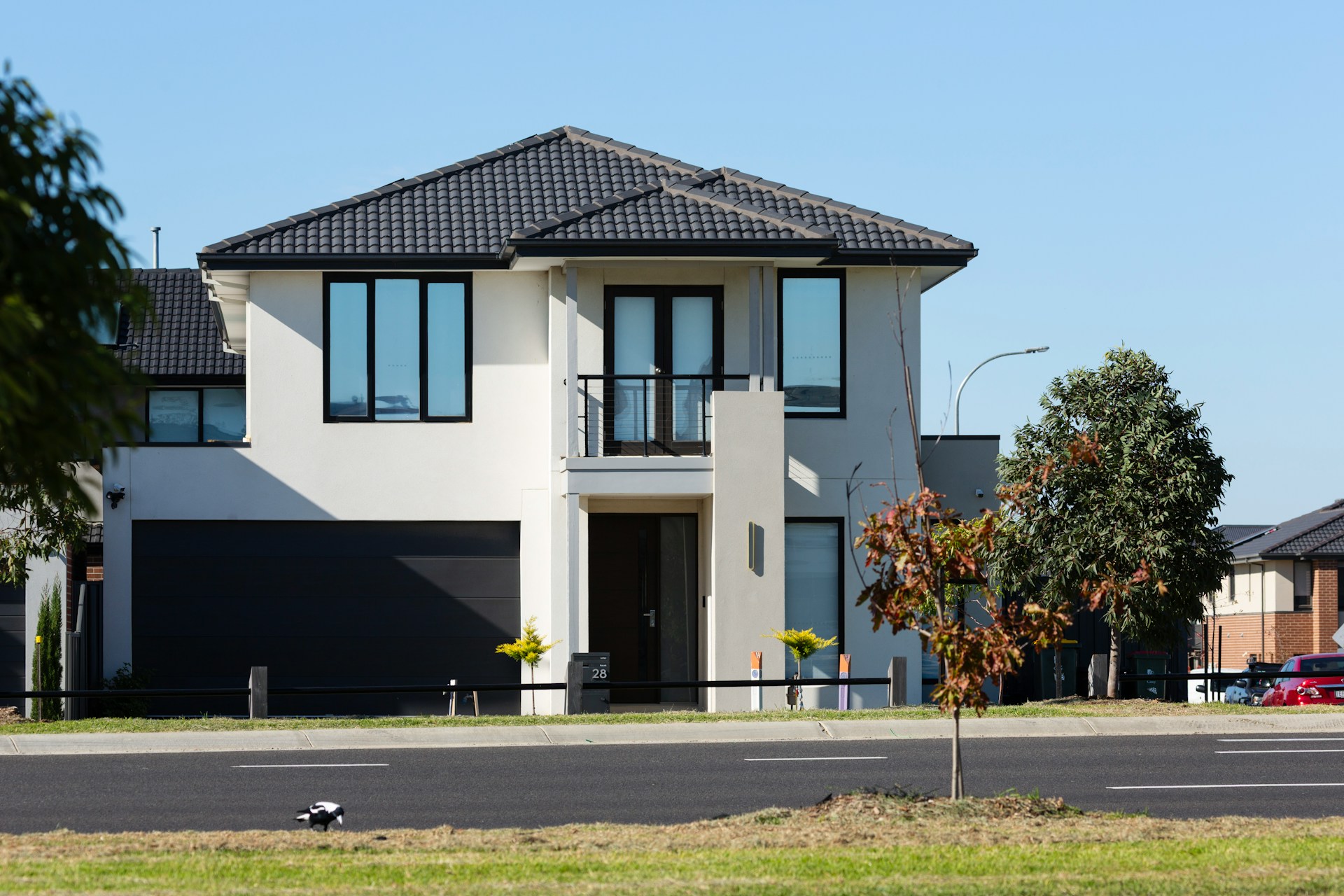
The spec housing market is changing as buyers look for homes that offer more than basic comfort and style. Today, many people want spaces that fit their daily needs, support their goals, and offer lasting value. As a result, changing buyer preferences now shape how builders plan, design, and sell new homes. Buyers also pay close attention to energy costs, smart features, and neighborhood quality. To stay competitive, builders must understand these needs and offer homes that match modern lifestyles while keeping costs within reach.
Understanding the Shift in Homebuyer Expectations
Homebuyers have become more careful when choosing a new property. In the past, many buyers focused on size, location, and price. While these factors still matter, people now consider the home’s overall value. They want strong design, functional spaces, and features that support them for years. As a result, spec home builders must think beyond basic layouts and standard finishes. They need to study how buyers live and what makes a home feel right for their daily routines.
The rise of online property searches has also changed the buying process. Buyers can now compare floor plans, features, and prices before they visit a home. This easy access to details helps them form clear ideas about what they expect. As a result, builders must present accurate information and show why their properties offer good value. Clear photos, virtual tours, and detailed property descriptions can help buyers make informed choices. When builders meet these expectations, they can build trust and make their homes more appealing in a crowded market.
The Growing Demand for Flexible Living Spaces
Modern buyers often want homes that can serve more than one purpose. A spare room may work as a home office, study area, or guest bedroom. Open living areas can also help families spend time together while allowing room for different tasks. Because daily needs can change, buyers value layouts that offer choice and comfort. Spec builders can respond by creating rooms that work in several ways. This approach helps buyers see how a new home fits both their current needs and plans.
Flexible design does not always require a larger house. Instead, careful planning can make each room more useful. Built-in storage, movable furniture, and well-placed doors can improve how a space works. For example, a small office near the main living area may support remote work without taking away a full bedroom. Buyers also value kitchens that connect well with dining and family spaces. By using available space wisely, builders can create practical homes that meet the needs of different households.
Energy Efficiency and Long-Term Homeownership Costs
Energy costs have become an important part of the homebuying decision. Many buyers want houses that use less power while keeping indoor spaces comfortable. Good insulation, efficient heating and cooling systems, and quality windows can help lower energy use. These features may also reduce monthly bills over time. As a result, buyers often look beyond the purchase price when they compare new homes. Builders who include practical energy-saving features can offer stronger value and help buyers plan for future living costs.
However, buyers also want to understand how these features work. A home may include advanced systems, but unclear details can make their value hard to judge. Builders should explain the purpose of each feature in simple terms. For instance, they can describe how better insulation helps keep indoor temperatures steady. They can also share clear details about energy ratings and expected upkeep. When buyers understand the benefits and limits of these systems, they can make choices based on their budgets and long-term goals.
Neighborhood Quality and Lifestyle Preferences
A home’s location can shape daily life just as much as its floor plan. Buyers often consider travel time, nearby schools, grocery stores, parks, and public spaces. They may also look for safe walking routes and easy access to local services. Because of these needs, community location benefits have become a key part of the spec housing market. Builders who study local lifestyle needs can choose better sites and plan homes that fit the area. A strong location can help buyers feel more confident about their purchase.
Community design also shapes how people judge new housing projects. Some buyers prefer quiet streets and private yards, while others value shared parks and walking paths. Families may want room for children to play, while older buyers may prefer easy access to shops and health services. So no single neighborhood design suits everyone. Builders can improve their approach by learning about the people who may buy in each area. This local focus can help them create homes that feel connected to the surrounding community.
Smart Home Features and Everyday Convenience
Technology has become a common part of modern home life. Many buyers now look for features that make daily tasks easier and more secure. Smart thermostats, video doorbells, and simple lighting controls can add comfort without changing a home’s look. However, buyers may not want systems that are hard to use or costly to maintain. Spec builders should focus on tools that offer clear benefits. When smart features work well together, they can make a home more useful and attractive to people with different levels of technical skill.
Reliable internet access is another important part of daily life. People use online services for work, school, shopping, and entertainment. As a result, buyers may ask about internet options and how well wireless signals can reach different rooms. Builders can support these needs by planning suitable wiring routes and network spaces during construction. They should also explain which smart systems come with the home and which services require added fees. Clear details help buyers understand what they will receive and avoid confusion after moving in.
Affordability, Transparency, and Buyer Confidence
Home prices and borrowing costs can place pressure on buyers. Many people must balance the features they want with the amount they can afford. This makes clear pricing and honest communication more important than ever. Buyers want to know what comes with a home and which upgrades cost extra. Builders can meet this need by sharing useful details early in the sales process. A clear list of included features, finishes, and warranty terms can reduce doubt and help buyers compare properties more easily.
Trust also grows when builders explain construction quality and expected maintenance needs. Buyers may ask about materials, inspection results, and the steps involved in closing a sale. They may also want to know how builders handle post-move-in issues. Providing direct answers can make the process less stressful. Builders should also avoid claims they cannot support. Clear records, fair terms, and open conversations help buyers understand a property’s benefits and limits. This approach can support stronger relationships and improve a builder’s reputation.
How Spec Home Builders Can Adapt to Future Demand
Builders can respond to changing expectations by using buyer feedback throughout the planning process. Local market research, property tours, and conversations with buyers can reveal which features matter most. For example, some areas may show strong demand for smaller homes with efficient layouts. Other markets may favor larger kitchens, home offices, or outdoor living spaces. Builders should review these patterns before choosing designs and materials. This process can help them avoid costly features that add little value while focusing on improvements that buyers are more likely to appreciate.
The future of spec housing will depend on how well builders balance quality, cost, and daily comfort. Buyers will continue to compare homes based on design, efficiency, location, and long-term value. Therefore, transparent builder communication can play an important role in helping buyers make informed choices. Builders who explain their plans, deliver useful features, and respond to customer concerns can earn lasting trust. By keeping buyer needs at the center of each project, they can create homes that serve real lifestyles and remain appealing as the housing market continues to change.