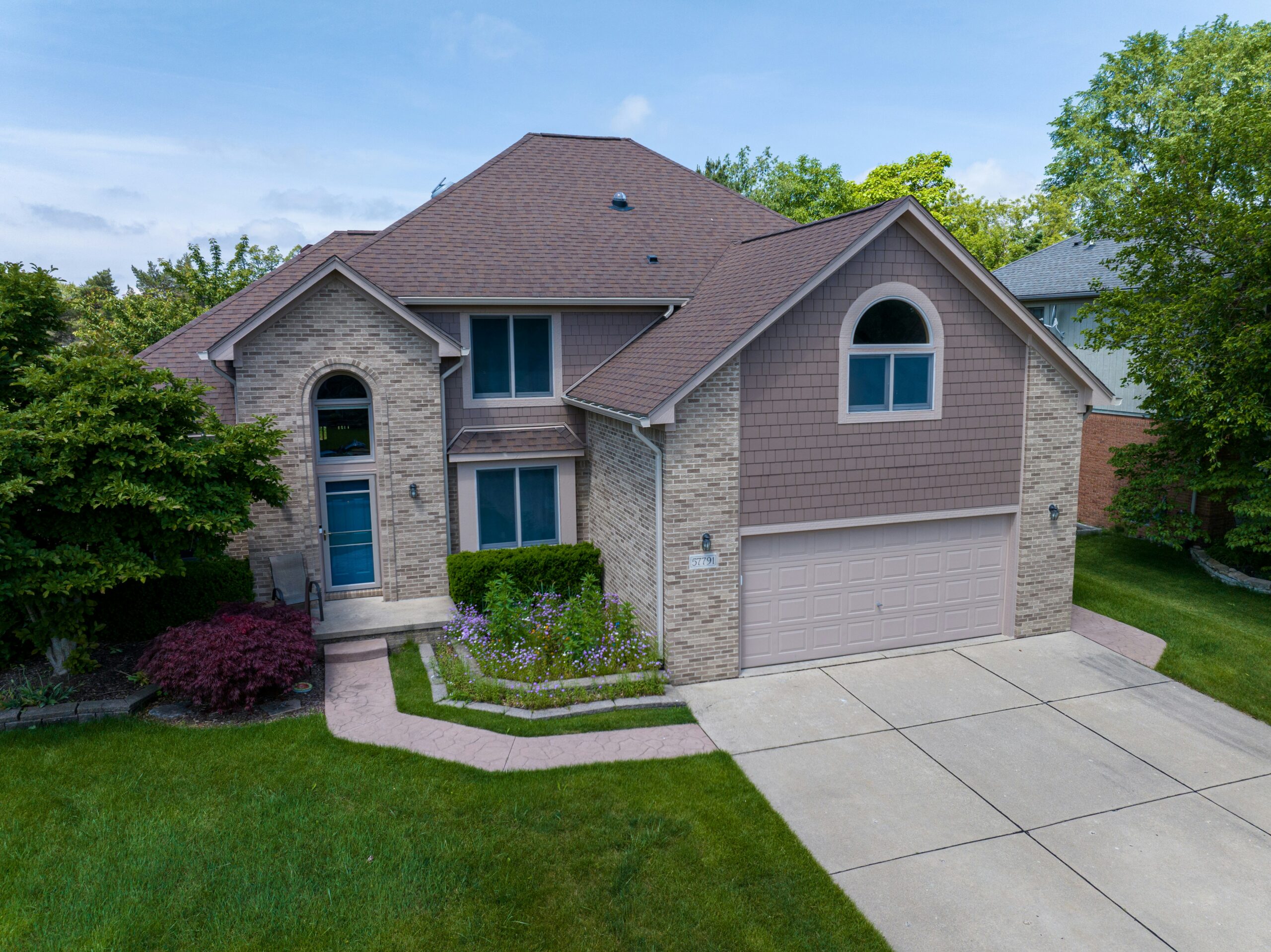
New construction spec homes have become an important part of today’s real estate market. A spec home, also known as a speculative home, is built by a developer or builder without a specific buyer already committed to purchasing it. Instead, the builder studies the market, predicts buyer preferences, and constructs a home that is expected to sell once completed. Because these homes are built based on demand and expectation, market trends play a major role in determining their design, pricing, location, and overall success.
Market trends influence nearly every decision involved in developing a spec home. Builders must pay close attention to economic conditions, mortgage rates, buyer preferences, material costs, neighborhood growth, and lifestyle changes. When these trends are understood correctly, spec homes can sell quickly and profitably. When they are ignored, builders may face delays, price reductions, or homes that fail to attract the right buyers.
Buyer Demand Shapes Design and Layout Choices
One of the strongest ways market trends affect new construction spec homes is through buyer demand. Builders must understand what today’s buyers want before they begin construction. In recent years, many buyers have looked for open floor plans, larger kitchens, home offices, energy-efficient features, and flexible living spaces. These preferences often guide the layout and features of new spec homes.
For example, remote and hybrid work have changed the way people view their homes. A house is no longer just a place to sleep and relax. It is also a workplace, a learning space, and sometimes even a fitness area. Because of this, builders often include dedicated office spaces, quiet rooms, or bonus areas that can serve multiple purposes. Homes that reflect modern lifestyles are more likely to stand out in a competitive market.
The demand for outdoor living has also influenced spec home construction. Patios, covered porches, outdoor kitchens, and landscaped yards are becoming attractive features for many buyers. Builders who recognize these lifestyle trends can create homes that feel current, practical, and desirable.
Economic Conditions Influence Pricing Strategy
The broader economy has a direct impact on the success of new construction spec homes. When the economy is strong, buyers are usually more confident, employment is stable, and people may be more willing to invest in a newly built home. During slower economic periods, buyers may become cautious, and builders may need to adjust their pricing expectations.
Inflation also affects the cost of building materials, labor, land, and permits. When construction costs rise, builders may need to price spec homes higher to protect their profit margins. However, higher prices can reduce buyer interest if wages and purchasing power do not keep up. This creates a delicate balance between building a quality home and keeping it affordable for the target market.
A successful pricing strategy depends on careful market research. Builders must compare similar homes, study recent sales, and understand how much buyers are willing to pay in a particular area. Overpricing a spec home can cause it to sit on the market too long, while underpricing may reduce profitability.
Mortgage Rates Affect Buyer Affordability
Mortgage rates are one of the most important market trends affecting new construction spec homes. When interest rates are low, buyers can usually afford larger loans with lower monthly payments. This often increases demand for new homes and gives builders more confidence to start spec projects.
When mortgage rates rise, affordability becomes a challenge. Buyers may reduce their budgets, delay purchasing, or search for smaller homes. This can force builders to rethink the size, price point, and features of their spec homes. In a high-rate environment, buyers often become more selective and focus on value, energy efficiency, and long-term savings.
Builders may respond by offering incentives such as closing cost assistance, rate buy-downs, upgraded features, or flexible financing partnerships. These strategies can help attract buyers even when borrowing costs are high.
Location Trends Drive Spec Home Success
Location has always been a key factor in real estate, but market trends can change which locations are most desirable. New construction spec homes often perform well in areas with population growth, strong employment opportunities, good schools, transportation access, and expanding amenities.
In many markets, buyers are moving toward suburban and developing communities where they can find more space, newer homes, and better value compared to dense urban areas. Builders who identify these growth patterns early can purchase land before prices increase and develop homes that match future demand.
Neighborhood trends also matter. Buyers may look for walkable communities, parks, shopping centers, restaurants, and recreational facilities. A well-designed spec home in a growing area can attract strong interest because it offers both modern construction and a convenient lifestyle.
Material Costs and Supply Chains Affect Construction Decisions
Spec home builders must also respond to changes in construction material costs and supply chain conditions. Prices for lumber, steel, concrete, roofing, appliances, and fixtures can rise or fall based on global and local market conditions. Delays in material availability can affect construction timelines and increase expenses.
When costs are unpredictable, builders may choose materials that provide durability and visual appeal without exceeding the budget. They may also simplify designs to reduce waste and avoid unnecessary complexity. Efficient planning helps builders maintain quality while controlling costs.
Supply chain challenges can also influence which finishes and features are included in a spec home. If certain appliances, flooring options, or fixtures are delayed, builders may need to select alternatives that are available sooner. The ability to adapt quickly is essential in keeping projects on schedule and protecting profitability.
Sustainability and Energy Efficiency Are Growing Priorities
Modern buyers are increasingly interested in homes that are energy-efficient and environmentally responsible. This trend has had a significant impact on new construction spec homes. Features such as high-performance windows, improved insulation, energy-efficient HVAC systems, smart thermostats, LED lighting, and water-saving fixtures can make a home more appealing.
Energy-efficient homes may also offer long-term savings, which is especially important when buyers are concerned about monthly expenses. Builders who include sustainable features can position their spec homes as modern, responsible, and cost-effective.
Green building practices are not only attractive to buyers but can also help builders stay competitive. As more communities adopt stricter building codes and sustainability standards, energy-conscious construction is becoming less of a luxury and more of an expectation.
Interior Design Trends Influence Buyer Perception
The interior appearance of a spec home can strongly affect how buyers feel when they walk through the property. Market trends often guide choices in flooring, cabinetry, countertops, lighting, paint colors, and fixtures. Neutral color palettes, natural textures, modern kitchens, spa-like bathrooms, and clean design elements remain popular because they appeal to a wide range of buyers.
A spec home must feel stylish without being too personal. Since the builder does not know the final buyer in advance, design choices should be attractive, flexible, and broadly appealing. Trend-aware interiors can help buyers imagine themselves living in the home, which may lead to faster offers.
However, builders must avoid relying too heavily on short-lived design fads. The best spec homes balance current style with timeless appeal. This helps the home remain attractive even if it takes longer than expected to sell.
Technology Adds Value to New Construction Homes
Smart home technology is another trend influencing spec home construction. Buyers often appreciate features that improve convenience, comfort, and security. Smart locks, video doorbells, programmable thermostats, built-in charging stations, security systems, and connected lighting can make a new home feel more advanced and move-in ready.
Technology can also support energy efficiency and home management. For many buyers, these features are no longer considered unusual upgrades. They are becoming part of the expected package in modern new construction homes.
Builders who include practical technology can increase perceived value without dramatically raising construction costs. The key is to choose features that are easy to use and genuinely helpful.
Market Competition Impacts Builder Strategy
The number of available homes in a market greatly affects how spec homes are built and sold. In a low-inventory market, buyers may have fewer choices, and well-built spec homes can sell quickly. In a high-inventory market, buyers have more options, so builders must work harder to make their homes stand out.
Competition can influence everything from pricing and design to marketing and incentives. Professional photography, staging, online listings, virtual tours, and strong curb appeal can help a spec home attract attention. Builders must present the home as a complete lifestyle solution, not just a physical structure.
Understanding local competition helps builders avoid creating homes that are too similar to others in the area. Unique but practical features can give a spec home a stronger position in the market.
The Future of Spec Homes Depends on Adaptability
The impact of market trends on new construction spec homes is significant and ongoing. Builders who succeed in this space are those who remain flexible, informed, and responsive to buyer needs. From mortgage rates and economic conditions to design preferences and sustainability, every trend can influence the outcome of a project.
Spec homes are built on prediction, but successful prediction depends on research and adaptability. Builders must understand what buyers want today while also preparing for what they may expect tomorrow. A home that reflects current market demand, offers long-term value, and fits the lifestyle of modern buyers has a much greater chance of selling successfully.
In a changing real estate environment, spec homes will continue to play an important role. When builders align construction decisions with market trends, they can create homes that are not only beautiful and functional but also profitable and competitive.